Sustainable Custom Clothing UK: The Complete Guide
How to source sustainable, ethical and eco-friendly custom clothing in the UK — from organic cotton and recycled materials to responsible printing and suppliers.
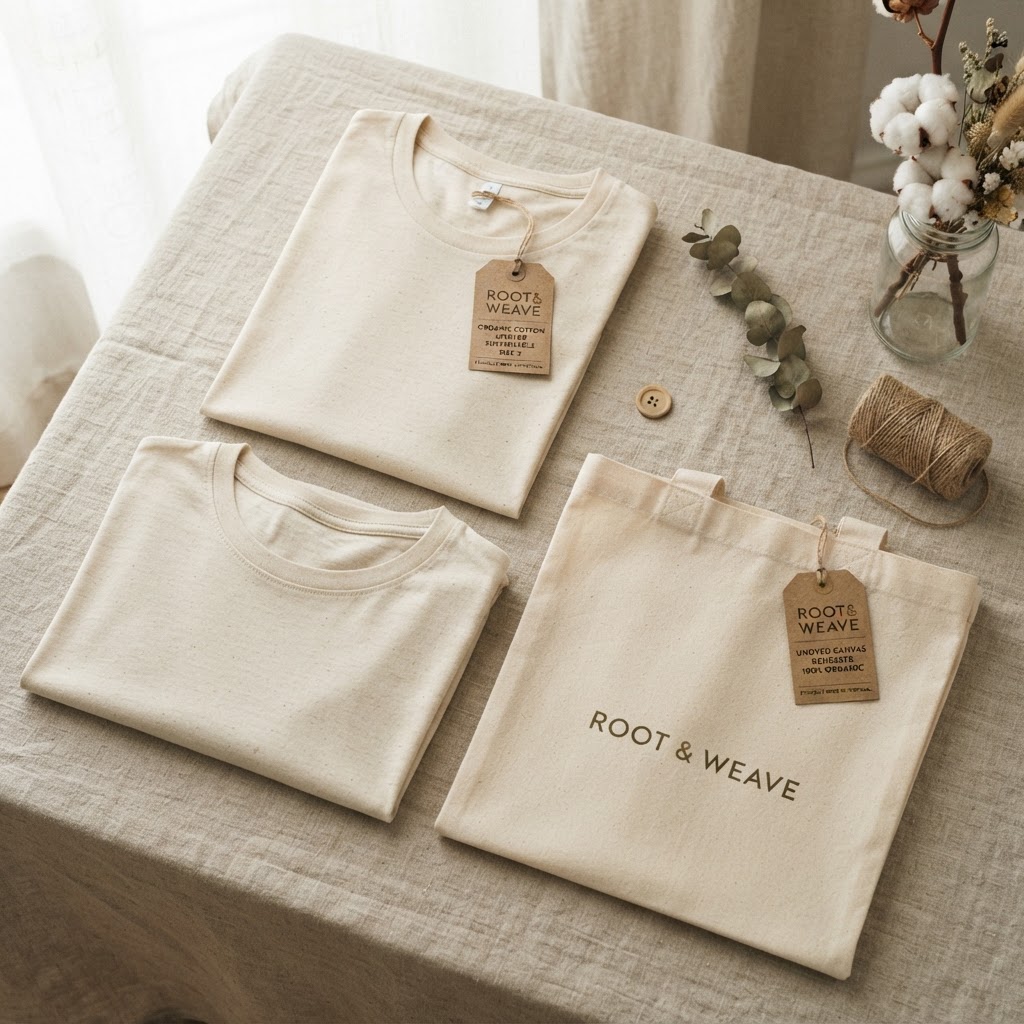
Key Takeaways
- Sustainable custom clothing uses organic, recycled or responsibly sourced materials.
- Look for certifications: GOTS, OEKO-TEX, Fair Wear and recycled-content standards.
- Water-based inks (DTG, DTF) are more eco-friendly than plastisol screen inks.
- Print-on-demand reduces waste by producing only what is ordered.
- Choose suppliers with transparent supply chains and ethical labour practices.
Explore Your Options
See how Streamz can help you put these insights into action — from managed merch stores to bulk branded clothing.
What Is Sustainable Custom Clothing?
Sustainable custom clothing minimises environmental and social impact across the garment's lifecycle — from raw material and manufacturing to decoration, distribution and end-of-life. For UK organisations, choosing sustainable clothing is increasingly important to customers, members and staff who expect brands to act responsibly.
Why Sustainable Clothing Matters
- Customer expectation — Consumers increasingly prefer eco-conscious brands.
- Brand reputation — Sustainable choices signal values and integrity.
- Regulatory direction — UK and EU regulations are moving towards greater supply chain transparency.
- Quality — Sustainable garments are often better made and longer-lasting.
- Waste reduction — Print-on-demand and quality garments reduce landfill.
Sustainable Materials
Organic Cotton
Grown without synthetic pesticides or fertilisers, using less water than conventional cotton. Look for GOTS (Global Organic Textile Standard) certification, which also covers ethical labour.
Recycled Cotton
Made from post-consumer or post-industrial cotton waste, reducing the need for new raw material.
Recycled Polyester (rPET)
Made from recycled plastic bottles, reducing landfill and energy use compared to virgin polyester. Common in performance wear and fleeces.
Bamboo
Fast-growing, low-input crop. Bamboo viscose is soft and breathable, though the processing chemical intensity varies by manufacturer.
Hemp and Linen
Low-input, durable natural fibres with minimal environmental impact.
Key Certifications to Look For
- GOTS — Global Organic Textile Standard (organic + ethical)
- OEKO-TEX Standard 100 — Tested for harmful substances
- Fair Wear Foundation — Ethical labour conditions
- GRS — Global Recycled Standard (recycled content)
- B Corp — Overall social and environmental performance
Sustainable Decoration Methods
Water-Based Inks
DTG and DTF use water-based inks, which are more environmentally friendly than the plastisol inks traditionally used in screen printing. Water-based inks are free from PVC and phthalates.
Reduced-Water Printing
Modern DTG and DTF processes use significantly less water than traditional screen washing.
Print-on-Demand
POD produces only what is ordered, eliminating overproduction and dead stock — two of the biggest sources of waste in the clothing industry.
How to Choose a Sustainable Supplier
- Ask about materials — Do they offer organic, recycled or responsibly sourced garments?
- Check certifications — Can they provide GOTS, OEKO-TEX or Fair Wear documentation?
- Ask about inks — Do they use water-based rather than plastisol inks?
- Transparency — Do they share information about their supply chain?
- Waste policy — How do they handle waste and offcuts?
- Packaging — Do they use recycled or plastic-free packaging?
Balancing Sustainability and Budget
Sustainable garments typically cost more than conventional equivalents — organic cotton commands a premium. However, the longer lifespan and brand value of sustainable clothing often offset the higher upfront cost. Many organisations offer a sustainable range alongside standard options, letting customers choose.
Common Greenwashing to Avoid
- Vague claims — "Eco-friendly" without certification or detail.
- Single-attribute focus — Organic cotton but conventional, chemical-heavy printing.
- No supply chain transparency — If a supplier can't tell you where garments are made, be cautious.
- Ignore end-of-life — Sustainability includes what happens to the garment when it's done.
Next Steps
If sustainability matters to your organisation, ask your supplier about organic and recycled options, water-based inks and print-on-demand. A managed store can offer a sustainable product range alongside standard items.
Questions About Your Project?
Our team is here to help. Get in touch for tailored advice, or order a sample pack to assess our quality firsthand.
Frequently Asked Questions
Ready to Get Started?
Join the gyms, clubs, schools and brands already earning from their merchandise with Streamz.