Branded Merchandise UK: The Complete Guide for Businesses
The definitive guide to branded merchandise in the UK — strategy, product selection, supplier criteria, budgeting and how to turn merch into a brand asset, not a cost.
Key Takeaways
- Branded merchandise is any product bearing your logo or brand identity.
- Effective merch is useful, high-quality and aligned with your audience.
- The best merch is kept and used, not thrown away.
- Print-on-demand merch stores eliminate stock risk for clothing and accessories.
- Measure merch ROI through brand visibility, engagement and enquiries, not just direct sales.
Explore Your Options
See how Streamz can help you put these insights into action — from managed merch stores to bulk branded clothing.
What Is Branded Merchandise?
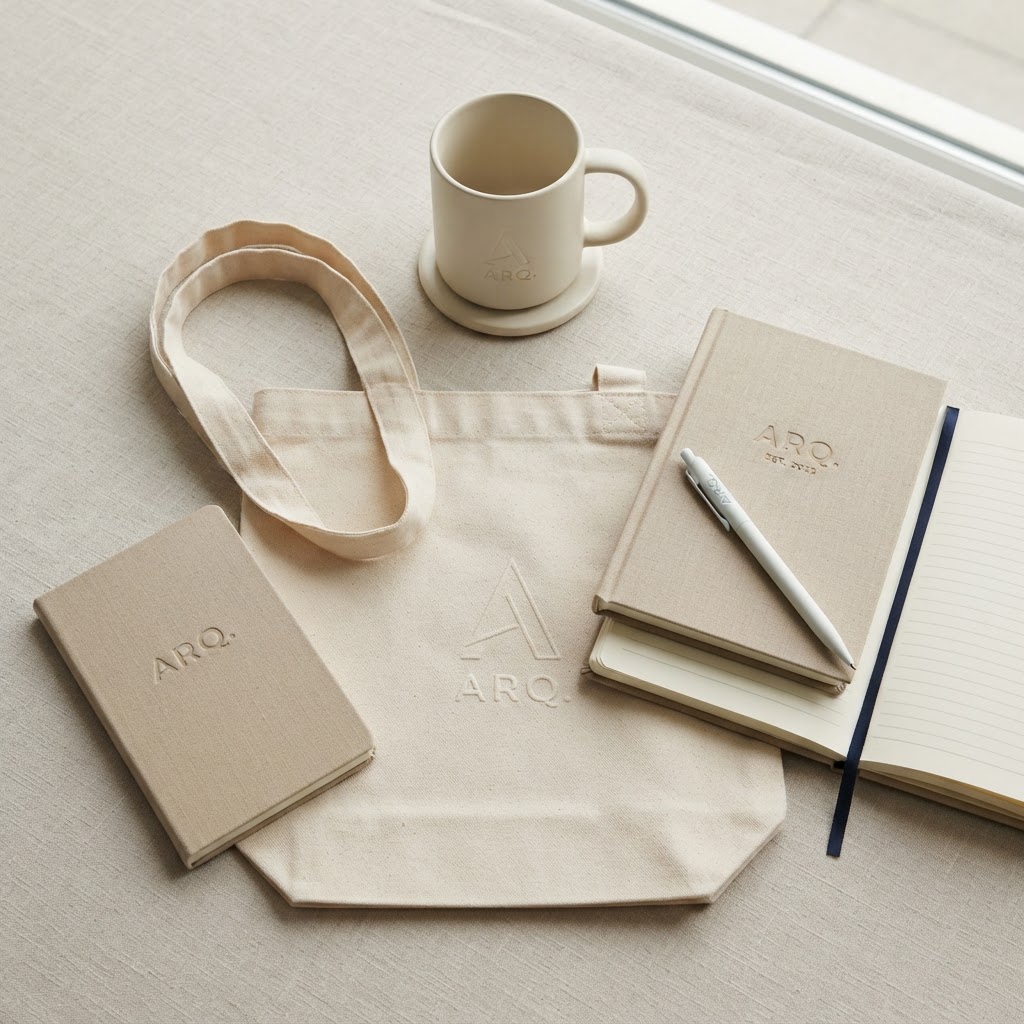
Branded merchandise is any physical product bearing your organisation's logo, name or brand identity. It spans clothing (hoodies, t-shirts, caps), accessories (tote bags, water bottles, notebooks), drinkware (mugs, flasks), tech items (phone cases, lanyards) and much more.
For UK businesses, clubs and creators, branded merchandise is one of the most cost-effective marketing investments available — but only when done well. Poor-quality merch is discarded; great merch is kept, used and seen.
Why Branded Merchandise Works
- Visibility — Every item used in public is a free impression.
- Reciprocity — People who receive useful merch feel positively towards your brand.
- Retention — A quality item keeps your brand in front of the recipient for months or years.
- Revenue — Sold merchandise generates direct profit.
- Community — Shared merch creates a sense of belonging among members, staff or fans.
Product Categories
Clothing
Hoodies, t-shirts, polo shirts, caps and jackets. Clothing is the highest-value, highest-visibility category. It is also the most complex — fabric, fit, decoration method and design all matter.
Accessories
Tote bags, water bottles, notebooks, pens, lanyards, keyrings. Lower-cost items that are useful, frequently seen and easy to distribute.
Drinkware
Mugs, travel flasks, water bottles. High retention — people use drinkware daily.
Tech and Office
Phone cases, laptop sleeves, USB drives, desk organisers. Useful in professional settings.
Event and Giveaway
Lanyards, wristbands, stickers, badges. Low-cost, high-volume items for events and campaigns.
How to Choose the Right Merch
Know Your Audience
Merch for a gym's members differs from merch for a corporate client's prospects. Match the product to the recipient's lifestyle and needs.
Prioritise Quality Over Quantity
One premium hoodie that is worn for two years outperforms ten cheap tees that are used once. Quality merch is kept; cheap merch is discarded.
Make It Useful
The most effective merch is something the recipient will actually use. A quality tote bag is used weekly; a novelty item is binned.
Keep Branding Subtle
Overt, oversized logos are less likely to be worn or used. Subtle, well-placed branding feels premium and is worn more often.
Ordering Models
Bulk Purchase
You order a batch upfront, distribute or sell, and hold stock. Lowest per-unit cost but highest risk — unsold or unwanted items are wasted budget.
Print-on-Demand Store
A managed store produces items only when ordered. No stock, no waste, no upfront cost. Ideal for clothing and many accessories. You earn profit per sale.
Budgeting for Branded Merchandise
- Per-unit cost — Garment/product + decoration + fulfilment.
- Design and artwork — One-off or included.
- Storage — For bulk stock.
- Distribution — Shipping to recipients or event locations.
- Dead stock — The hidden cost of bulk ordering.
How to Choose a Merchandise Supplier
- Product range — Can they supply clothing, accessories and drinkware?
- Decoration methods — Embroidery, screen, DTF, DTG and engraving.
- Quality — Request samples before ordering.
- Print-on-demand option — Eliminates stock risk for clothing.
- Account management — For ongoing programmes, a dedicated contact is invaluable.
- UK fulfilment — Shorter lead times and easier quality control.
Common Mistakes
- Buying cheap — Poor-quality merch damages your brand.
- Over-branding — Huge logos reduce wearability.
- No strategy — Ordering merch without a clear purpose wastes budget.
- Ignoring the audience — Generic merch for a specific audience underperforms.
- No measurement — If you don't track results, you can't improve.
Next Steps
The most effective way to launch branded merchandise is a managed print-on-demand store — your branding, no stock risk, profit from day one. Start with a sample pack to confirm quality.
Questions About Your Project?
Our team is here to help. Get in touch for tailored advice, or order a sample pack to assess our quality firsthand.
Frequently Asked Questions
Ready to Get Started?
Join the gyms, clubs, schools and brands already earning from their merchandise with Streamz.